physical spaces
Exploring how space, people, and process come together through thoughtful architectural design.
Unearthing the Unknown
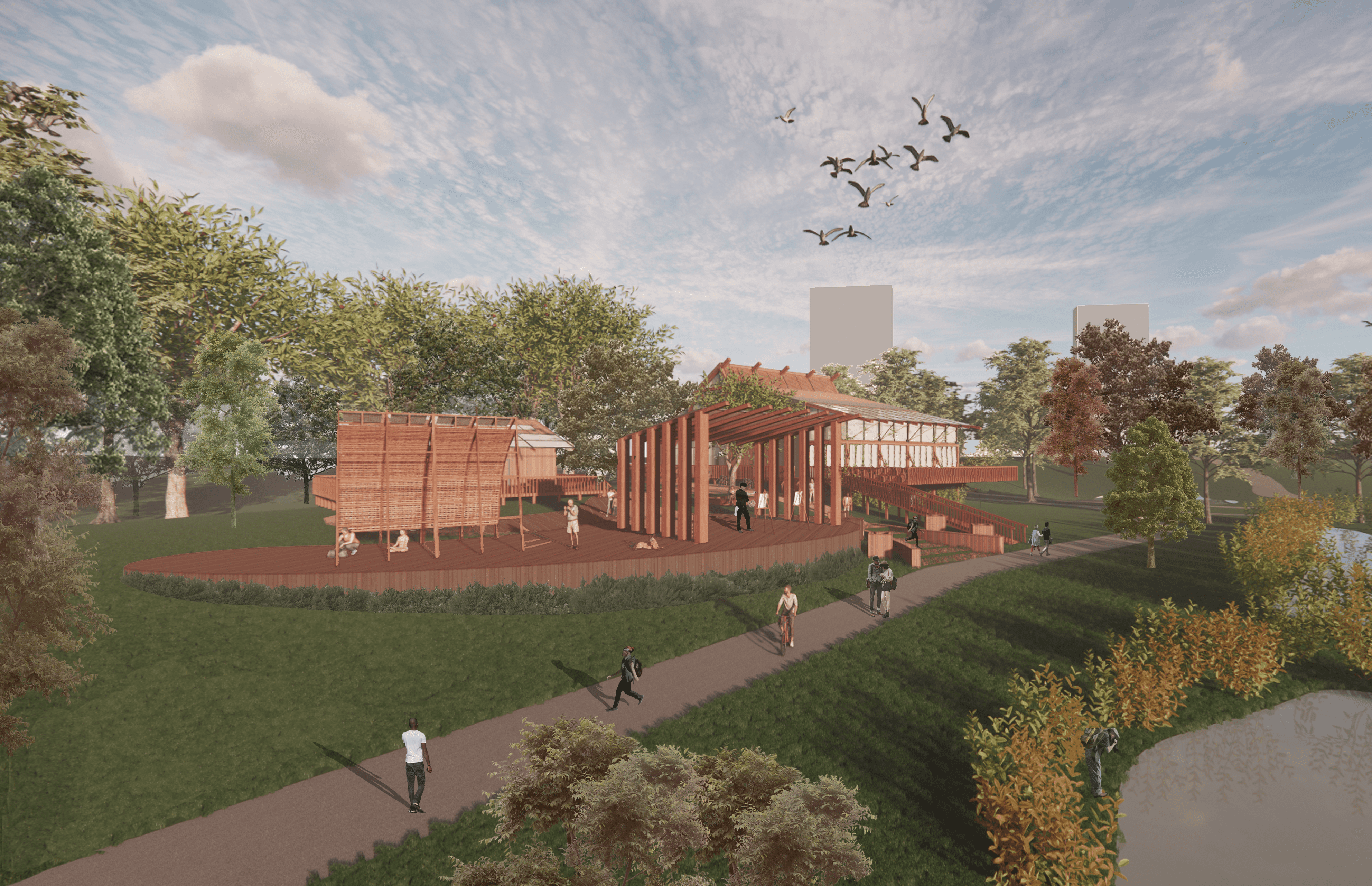
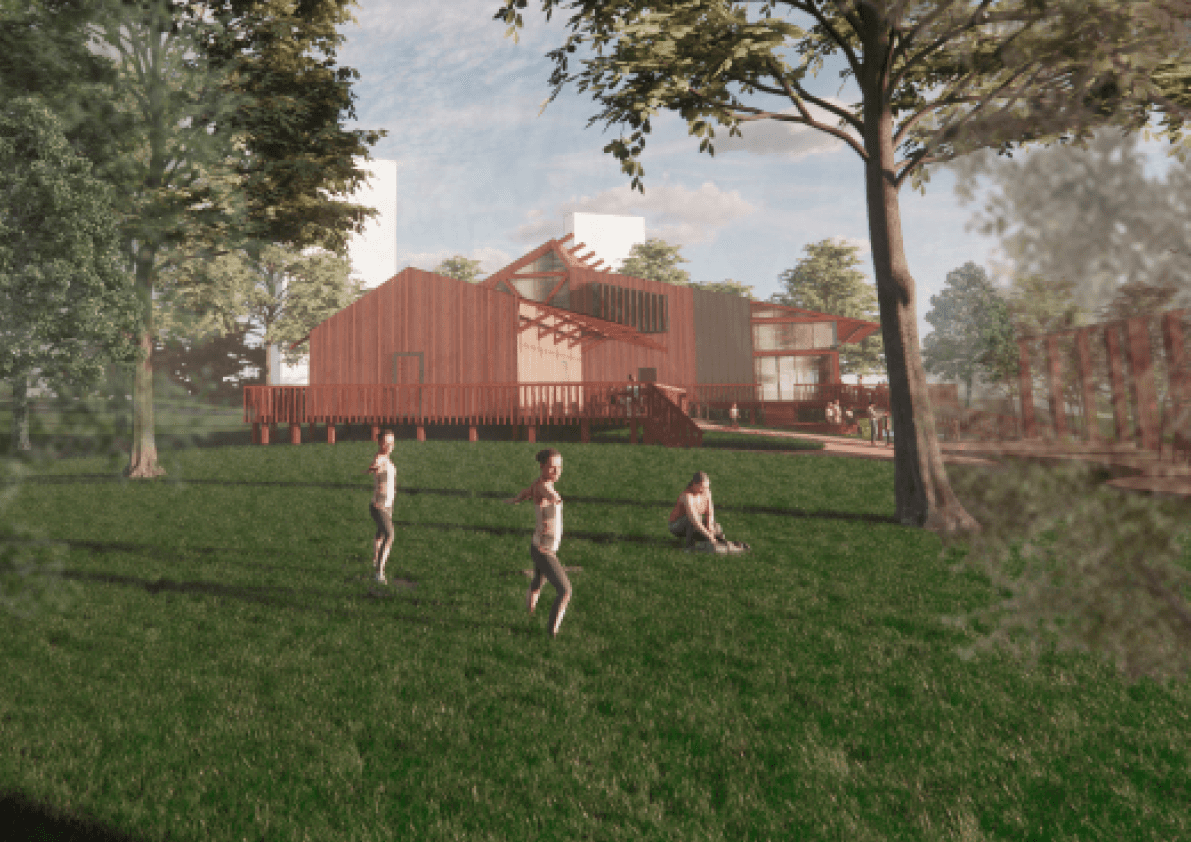
This project explored the relationship between art, food, and storytelling, framing food production as a visible and experiential journey rather than something hidden from users. The aim was to design a community-focused space that exposes processes like cider making, encouraging interaction, learning, and social engagement. The proposal centres around creating a shared environment where people, process, and place are closely connected.
My process
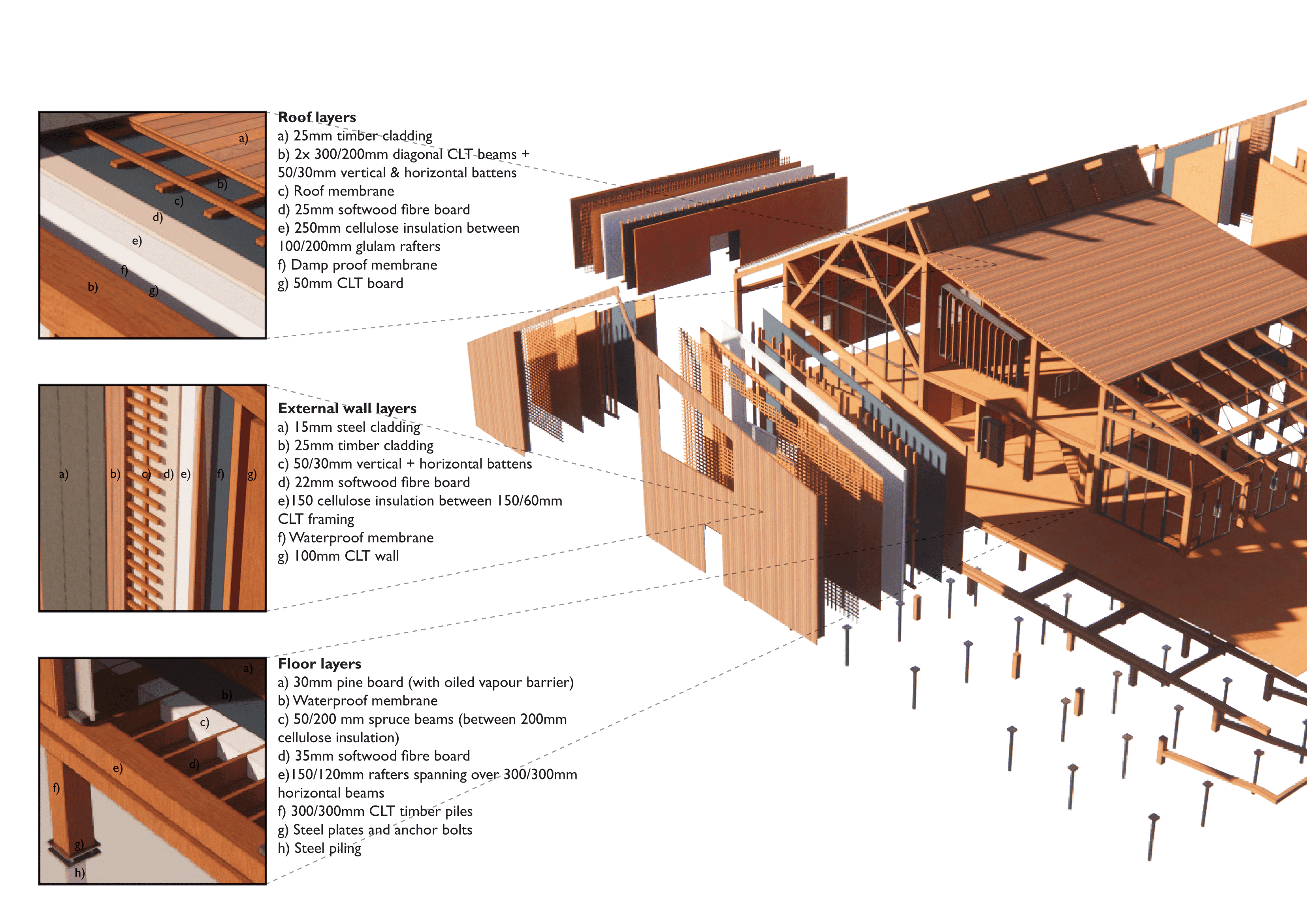
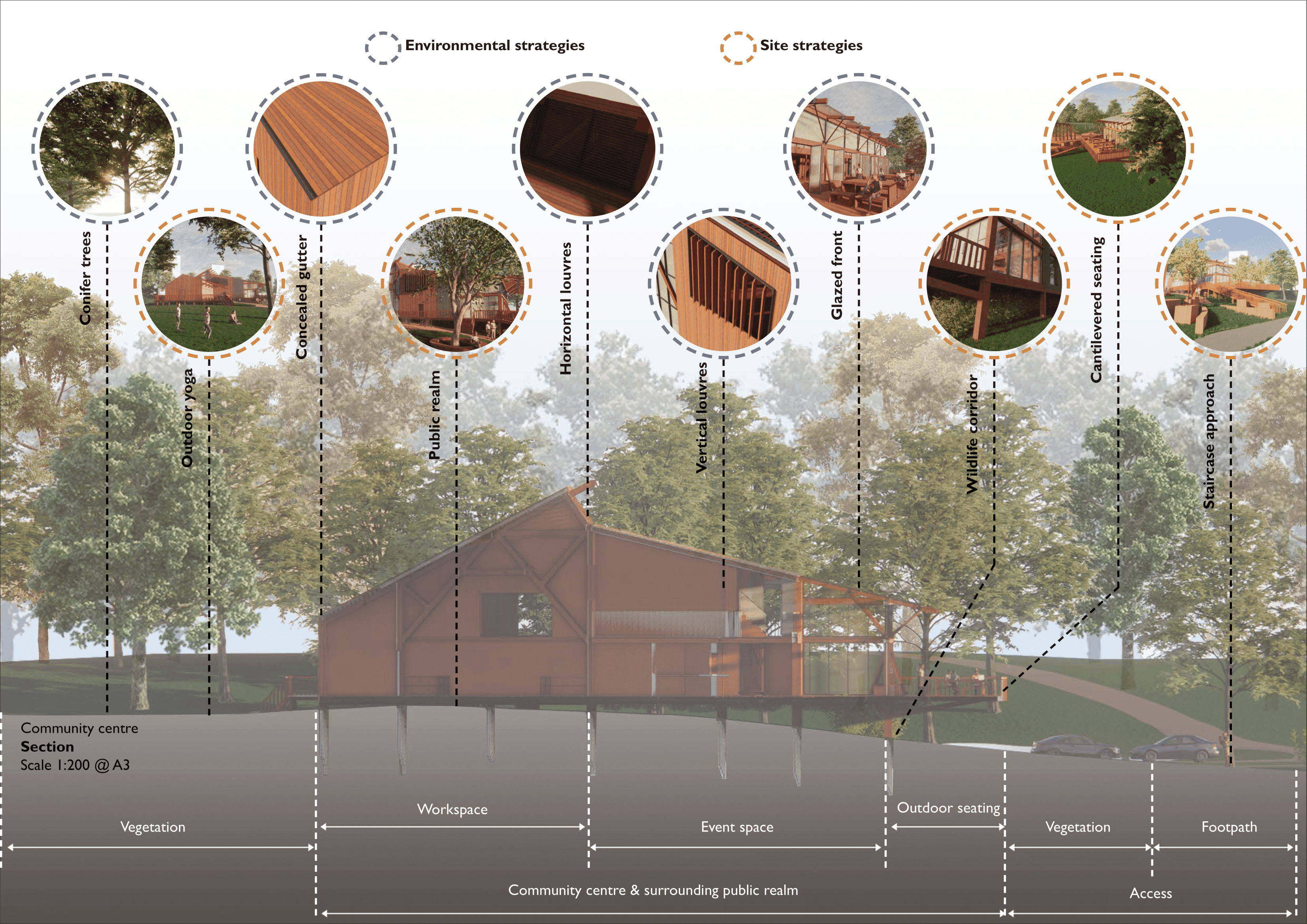
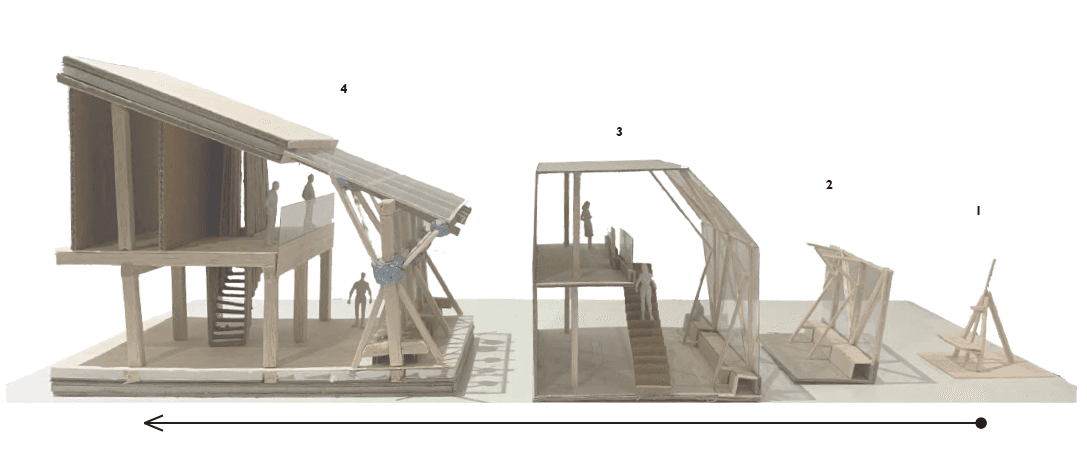
The process began with manifesto-driven research into food cycles and creative storytelling, which shaped the conceptual direction of the project. Early ideas were tested through a series of physical “moment models,” allowing spatial, structural, and user interactions to be explored iteratively. This was supported by site analysis and environmental considerations to ensure the design responded to its context. Sequential diagrams were then used to map the user journey through the space, helping to define how people would experience different stages of production and social interaction. The final outcome was developed through structural strategies, material decisions, and detailed visualisations that brought the concept into a resolved architectural proposal.
Alsop Coffee
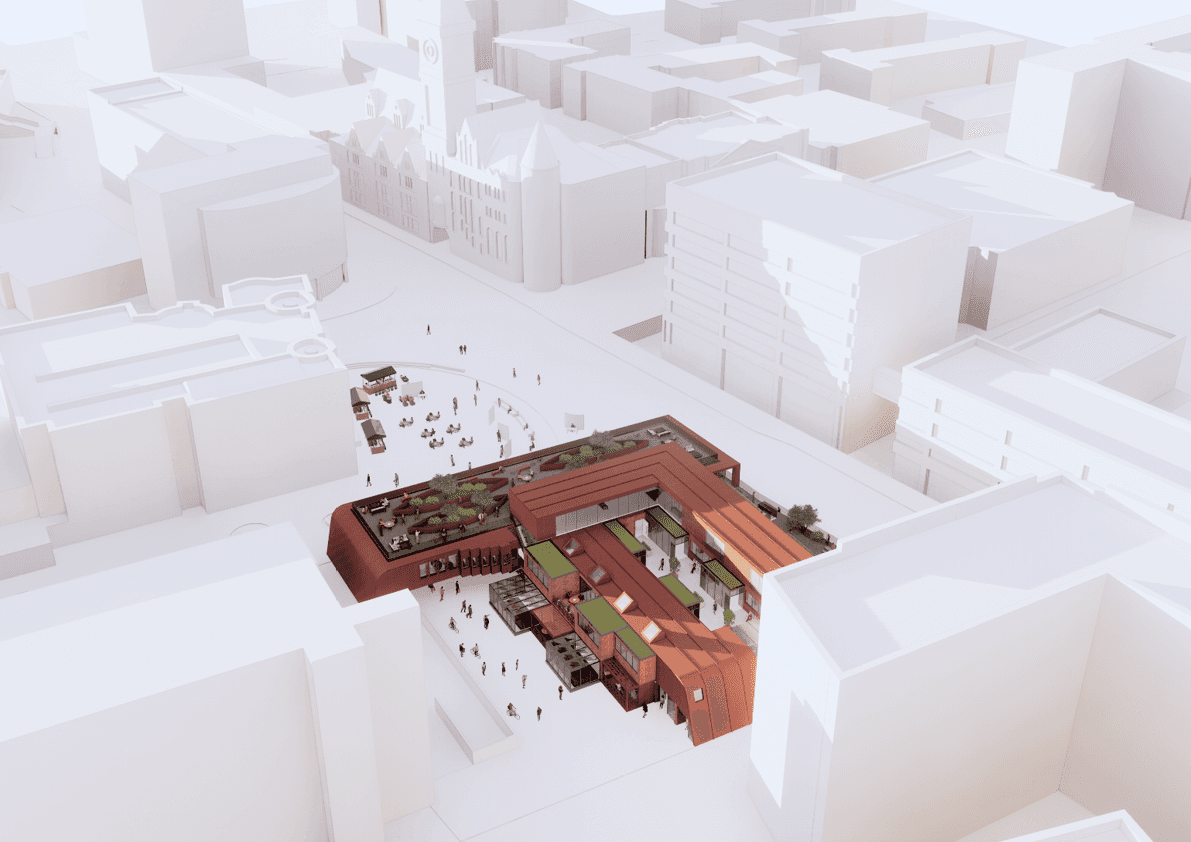
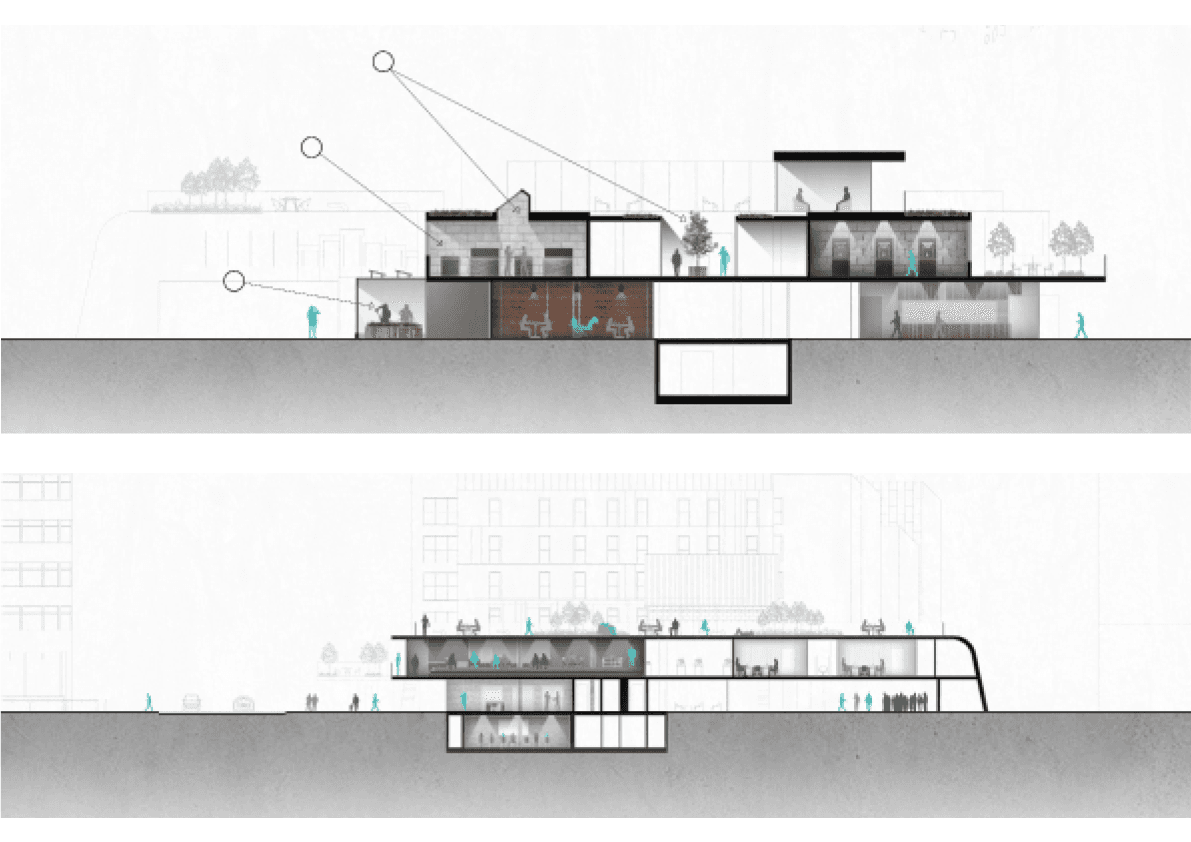
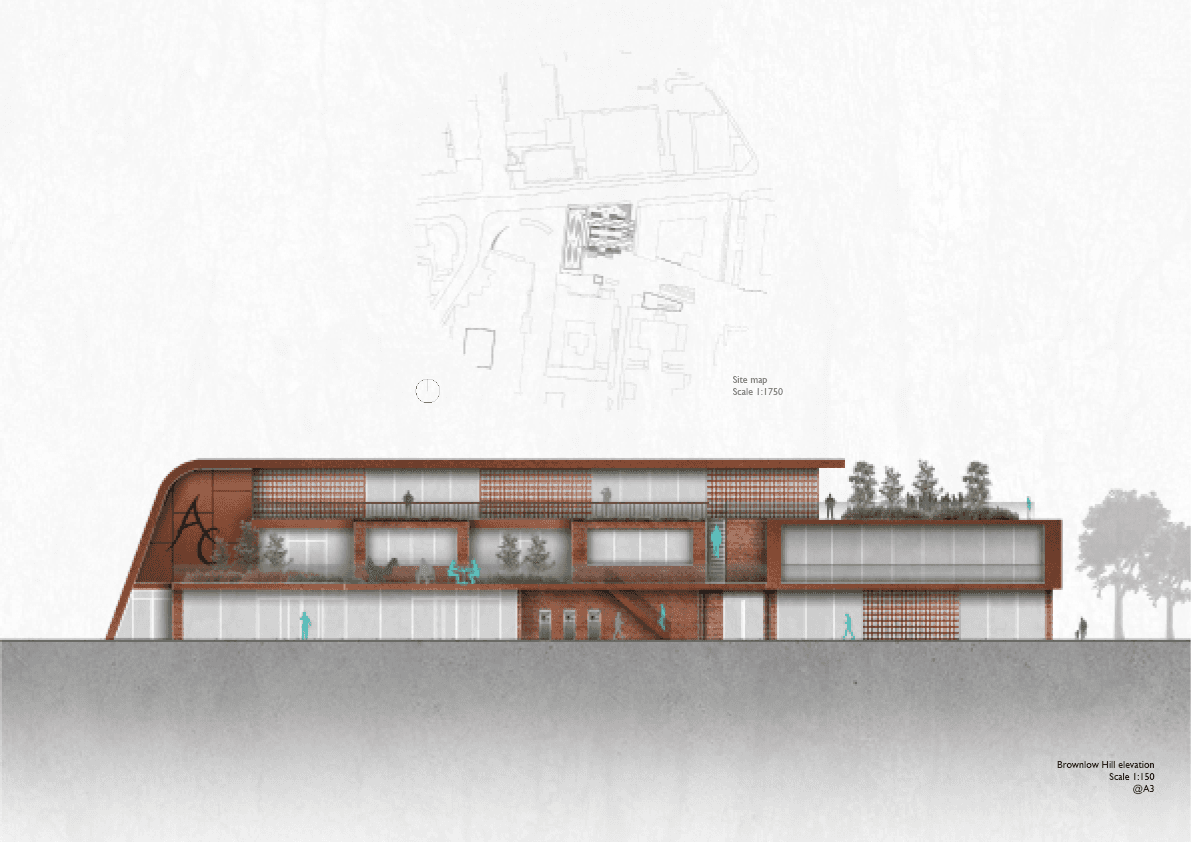
This project questioned modern consumer habits around food, encouraging a more mindful and collaborative relationship with production. The design reimagines a coffee house as both a social and educational space, where users can engage directly with the full lifecycle of coffee, from growing to consumption. By combining traditional practices with sustainable design approaches, the project aims to reconnect people with the origins of what they consume while fostering a sense of community.
My process
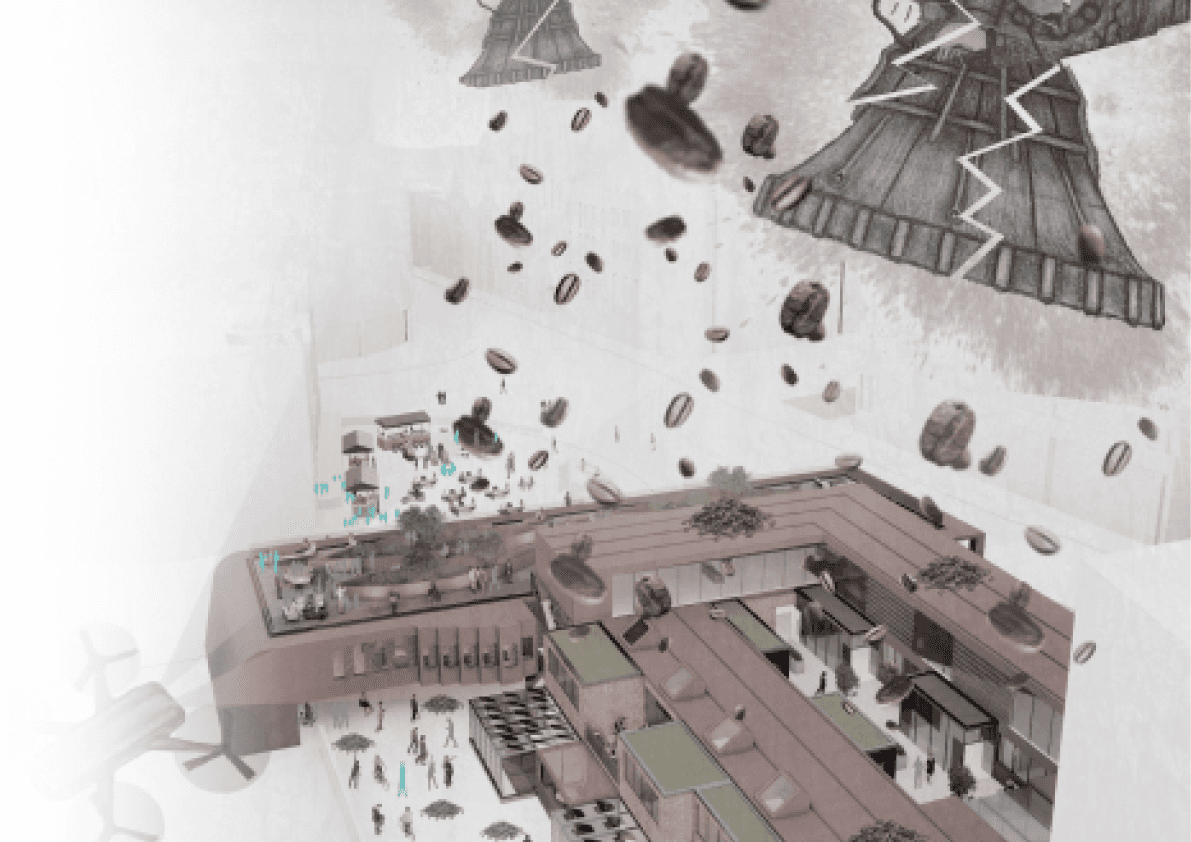
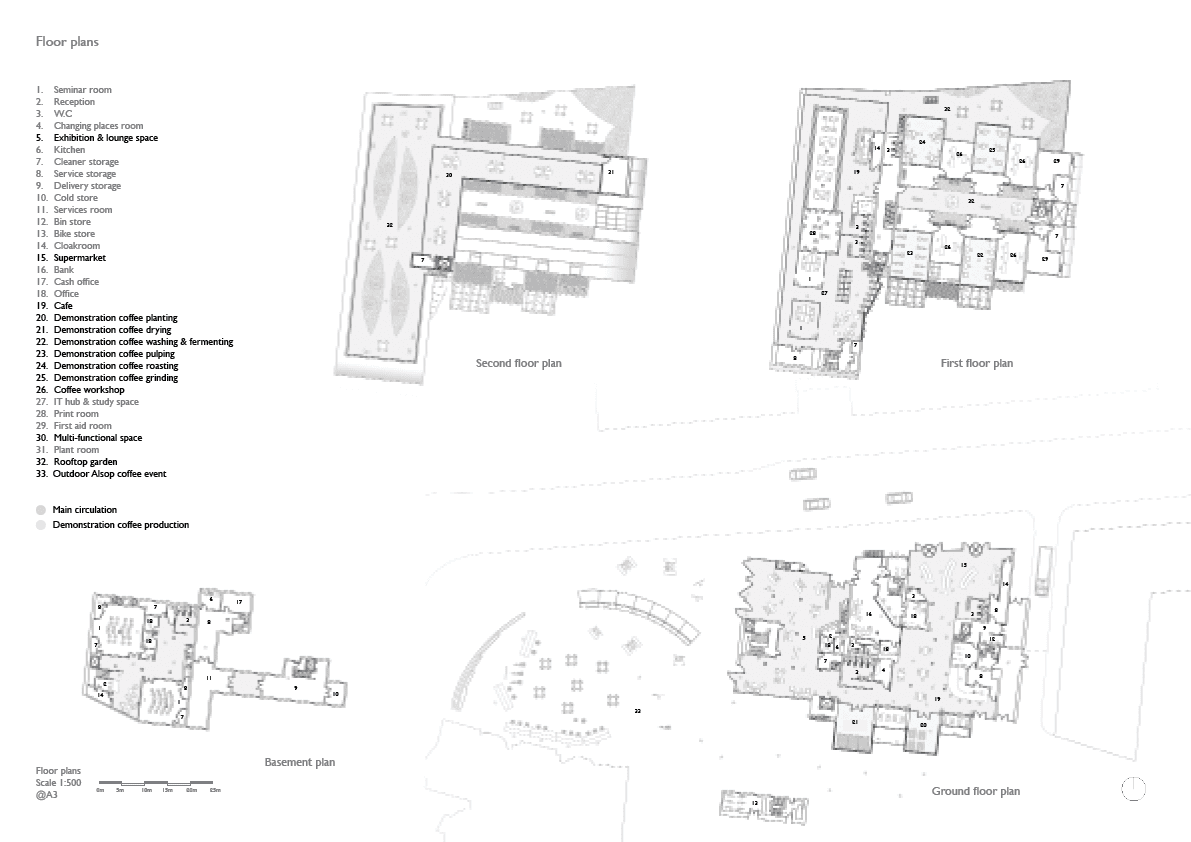
The process was driven by a strong narrative and manifesto, centred on the idea of “Sitopia” and the value of food systems. Initial stages involved environmental analysis, including daylight and embodied carbon studies, to inform key design decisions. Spatial strategies were then developed to organise functions across the building, ensuring a clear relationship between production, learning, and social spaces. Concept development was explored through sketches, photomontages, and experiential visuals to communicate the intended journey through the building. This was followed by the integration of structural and environmental systems, such as greenhouse extensions and passive design strategies. The project was resolved through detailed plans, sections, elevations, and material considerations, supported by final renders that communicate both the architectural intent and user experience.
physical spaces
Exploring how space, people, and process come together through thoughtful architectural design.
Unearthing the Unknown
This project explored the relationship between art, food, and storytelling, framing food production as a visible and experiential journey rather than something hidden from users. The aim was to design a community-focused space that exposes processes like cider making, encouraging interaction, learning, and social engagement. The proposal centres around creating a shared environment where people, process, and place are closely connected.
My process
The process began with manifesto-driven research into food cycles and creative storytelling, which shaped the conceptual direction of the project. Early ideas were tested through a series of physical “moment models,” allowing spatial, structural, and user interactions to be explored iteratively. This was supported by site analysis and environmental considerations to ensure the design responded to its context. Sequential diagrams were then used to map the user journey through the space, helping to define how people would experience different stages of production and social interaction. The final outcome was developed through structural strategies, material decisions, and detailed visualisations that brought the concept into a resolved architectural proposal.
Alsop Coffee
This project questioned modern consumer habits around food, encouraging a more mindful and collaborative relationship with production. The design reimagines a coffee house as both a social and educational space, where users can engage directly with the full lifecycle of coffee, from growing to consumption. By combining traditional practices with sustainable design approaches, the project aims to reconnect people with the origins of what they consume while fostering a sense of community.
My process
The process was driven by a strong narrative and manifesto, centred on the idea of “Sitopia” and the value of food systems. Initial stages involved environmental analysis, including daylight and embodied carbon studies, to inform key design decisions. Spatial strategies were then developed to organise functions across the building, ensuring a clear relationship between production, learning, and social spaces. Concept development was explored through sketches, photomontages, and experiential visuals to communicate the intended journey through the building. This was followed by the integration of structural and environmental systems, such as greenhouse extensions and passive design strategies. The project was resolved through detailed plans, sections, elevations, and material considerations, supported by final renders that communicate both the architectural intent and user experience.
physical spaces
Exploring how space, people, and process come together through thoughtful architectural design.
Unearthing the Unknown
This project explored the relationship between art, food, and storytelling, framing food production as a visible and experiential journey rather than something hidden from users. The aim was to design a community-focused space that exposes processes like cider making, encouraging interaction, learning, and social engagement. The proposal centres around creating a shared environment where people, process, and place are closely connected.
My process
The process began with manifesto-driven research into food cycles and creative storytelling, which shaped the conceptual direction of the project. Early ideas were tested through a series of physical “moment models,” allowing spatial, structural, and user interactions to be explored iteratively. This was supported by site analysis and environmental considerations to ensure the design responded to its context. Sequential diagrams were then used to map the user journey through the space, helping to define how people would experience different stages of production and social interaction. The final outcome was developed through structural strategies, material decisions, and detailed visualisations that brought the concept into a resolved architectural proposal.
Alsop Coffee
This project questioned modern consumer habits around food, encouraging a more mindful and collaborative relationship with production. The design reimagines a coffee house as both a social and educational space, where users can engage directly with the full lifecycle of coffee, from growing to consumption. By combining traditional practices with sustainable design approaches, the project aims to reconnect people with the origins of what they consume while fostering a sense of community.
My process
The process was driven by a strong narrative and manifesto, centred on the idea of “Sitopia” and the value of food systems. Initial stages involved environmental analysis, including daylight and embodied carbon studies, to inform key design decisions. Spatial strategies were then developed to organise functions across the building, ensuring a clear relationship between production, learning, and social spaces. Concept development was explored through sketches, photomontages, and experiential visuals to communicate the intended journey through the building. This was followed by the integration of structural and environmental systems, such as greenhouse extensions and passive design strategies. The project was resolved through detailed plans, sections, elevations, and material considerations, supported by final renders that communicate both the architectural intent and user experience.